Sell Your Unused Grand Central Ticket
Booked with Grand Central and can’t travel? Recover what you paid instead of losing it.
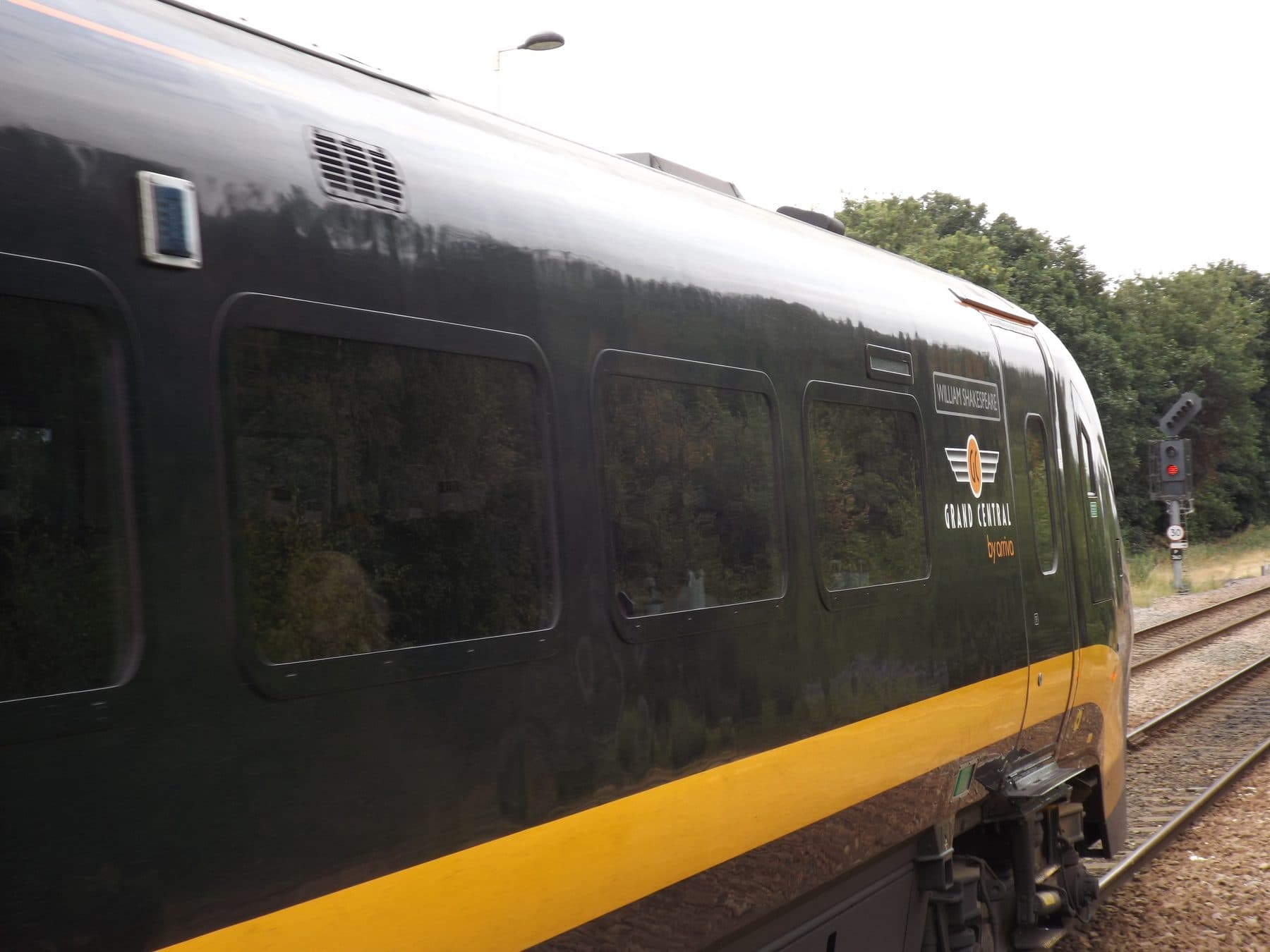
Photo: Grand Central Class 180 “William Shakespeare” · Ian Kirk / Wikimedia Commons, CC BY-SA 4.0
Grand Central is an open-access operator running from London King’s Cross to Sunderland, and separately into West Yorkshire calling at Wakefield Kirkgate, Halifax and Bradford Interchange, both routes joining the East Coast Main Line via Doncaster and York. Because it doesn’t operate under a government franchise, it runs its own fare structure with no booking fees on any ticket. If a meeting got cancelled, your dates changed, or you booked a different service, an unused Grand Central ticket doesn’t have to be a write-off.
SaveMyFare lets you list an eligible unused ticket for another traveller to buy at a lower price than a fresh fare. It’s free to list, and you only pay a 10% platform fee if it sells.
Can you sell an unused Grand Central ticket?
Being open-access doesn’t change the rules here — Grand Central still operates under the same National Rail Conditions of Travel as every franchised operator. Under Condition 5, a ticket can be transferred to another passenger if it wasn’t made out in your name or tied to a Railcard, the journey hasn’t started, and you don’t resell it for more than you originally paid. An Advance single from King’s Cross to Sunderland bought for £25 can be transferred for £25 or less, no matter how full the train looks closer to departure.
Full detail on what qualifies is in our guide to which train tickets can be transferred.
Refunding a Grand Central ticket vs. selling it
Grand Central Advance tickets are non-refundable unless the service itself is disrupted or cancelled. Anytime and Off-Peak tickets are refundable, but typically carry a £10 per ticket admin fee unless your journey was affected by disruption. If your journey simply isn’t happening any more and refunding would mean losing money to that fee, or your ticket type isn’t refundable at all, selling it on for what you paid recovers more.
Example
You paid £25 for an Advance single from King’s Cross to Sunderland. As an Advance fare it’s non-refundable outright unless the train’s cancelled. Selling the ticket on SaveMyFare for up to £25 instead gets your money back, with nothing deducted from you as the seller.
Delayed instead of unused? That’s a compensation claim, not a resale
If you travelled and Grand Central’s train ran late, that’s a compensation claim rather than resale. Grand Central’s scheme starts at 60 minutes’ delay: 50% of your single fare for a 1–2 hour delay, 75% for 2–3 hours, and 100% for delays of more than 3 hours, with return fares compensated on the relevant portion at the same rates. Claims must reach them within 28 days of travel, and can be paid by PayPal, bank transfer, or a complimentary single journey on Grand Central if your trip started or ended at King’s Cross. Selling a ticket only applies before you’ve travelled — once you’ve boarded, this compensation process is the route to your money back instead.
Where Grand Central tickets sell fastest
King’s Cross to Sunderland is Grand Central’s longest-running route and sees the steadiest demand on SaveMyFare, since it’s one of the only direct rail links between the two cities. The West Yorkshire route to Bradford Interchange, Halifax and Wakefield Kirkgate is smaller but attracts commuters looking for a cheaper alternative to the franchised operators on the same corridor.
How to list your Grand Central ticket
Add your ticket details
Enter the departure and arrival stations, travel date, time, coach and seat number if reserved, and the original price you paid.
Set your asking price
Price at or below what you paid. SaveMyFare enforces this at listing, matching the National Rail transfer condition.
We check it automatically
Your upload is checked against the listing details. Most tickets clear this automatically and go live within minutes; anything unclear is held for manual review first.
Get paid once it sells
Once it sells, your uploaded ticket is sent to the buyer automatically. Payment is released to you 48 hours after the travel date.
Travelling with a different operator too? The steps above apply the same way whichever train company issued your ticket — see our guide to selling a train ticket on SaveMyFare for the full overview.
Common questions
Can I sell an unused Grand Central Advance ticket?
Yes, if it meets the National Rail transfer conditions: it isn’t made out in your name, your journey hasn’t started, and you don’t sell it for more than you paid. Grand Central Advance fares are tied to a specific train, so a buyer must travel on the exact service printed on the ticket — see our full Advance ticket transfer guide for the complete rules.
What makes Grand Central different from a franchised operator like LNER?
Grand Central is an open-access operator, meaning it runs commercially without a government franchise agreement and doesn't receive the same public subsidy as a franchised train company. In practice that shows up as no booking fees on tickets, free WiFi across the train, and First Class fares that can sometimes undercut a franchised operator's Standard Anytime price on the same corridor.
My Grand Central train was delayed instead — can I still sell the ticket?
No, a delay on a train you actually travelled on is a compensation claim, not a resale. Grand Central’s compensation starts at 60 minutes’ delay, with tiered payouts rising from 50% of your fare for a 1–2 hour delay up to 100% for delays over 3 hours, claimable within 28 days. Selling only applies to a ticket you haven’t used yet. See what to do with a non-refundable train ticket for the full picture.
Do I need a Grand Central account to sell my ticket?
No. Selling through SaveMyFare doesn't go through Grand Central's own systems at all — you list the ticket details with us, a buyer pays through SaveMyFare's secure checkout, and you transfer the ticket to them directly once it sells.
Why does Grand Central go via Doncaster and York instead of a more direct line?
As an open-access operator without the same track access rights as the franchised East Coast Main Line operator, Grand Central routes its Sunderland and West Yorkshire services via Doncaster and York to join the main line, rather than taking the most direct geographic path. It's worth checking the exact calling pattern on your ticket before listing or buying, since journey times vary by service.
Is it cheaper to buy Grand Central tickets online rather than elsewhere?
Buying directly is generally the cheaper route, since Grand Central charges no booking fees on any ticket, a saving over some third-party retailers regardless of channel. Beyond that, the same Advance-versus-Anytime gap applies as anywhere else: an Advance single locked to one train is normally the cheapest way to travel, and a resold Advance ticket on SaveMyFare can undercut buying fresh, provided it's still for the exact service printed on it.
SaveMyFare is an independent ticket resale marketplace and is not affiliated with, endorsed by, or sponsored by Grand Central. “Grand Central” is used here to describe the operator a ticket is valid on, in line with National Rail’s published Conditions of Travel.
Got an unused Grand Central ticket?
Free to list. Paid 48 hours after travel. 10% fee only if it sells.
List My Ticket →